
F3D
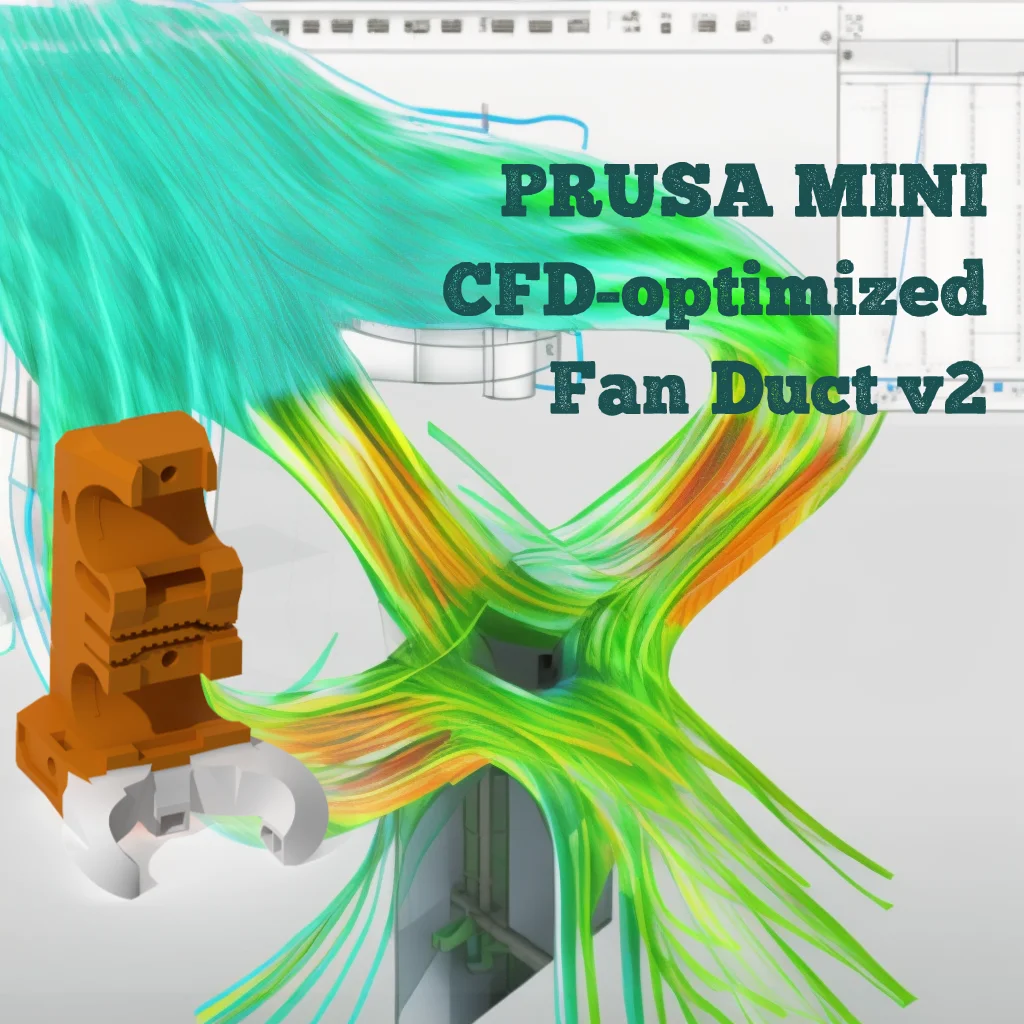
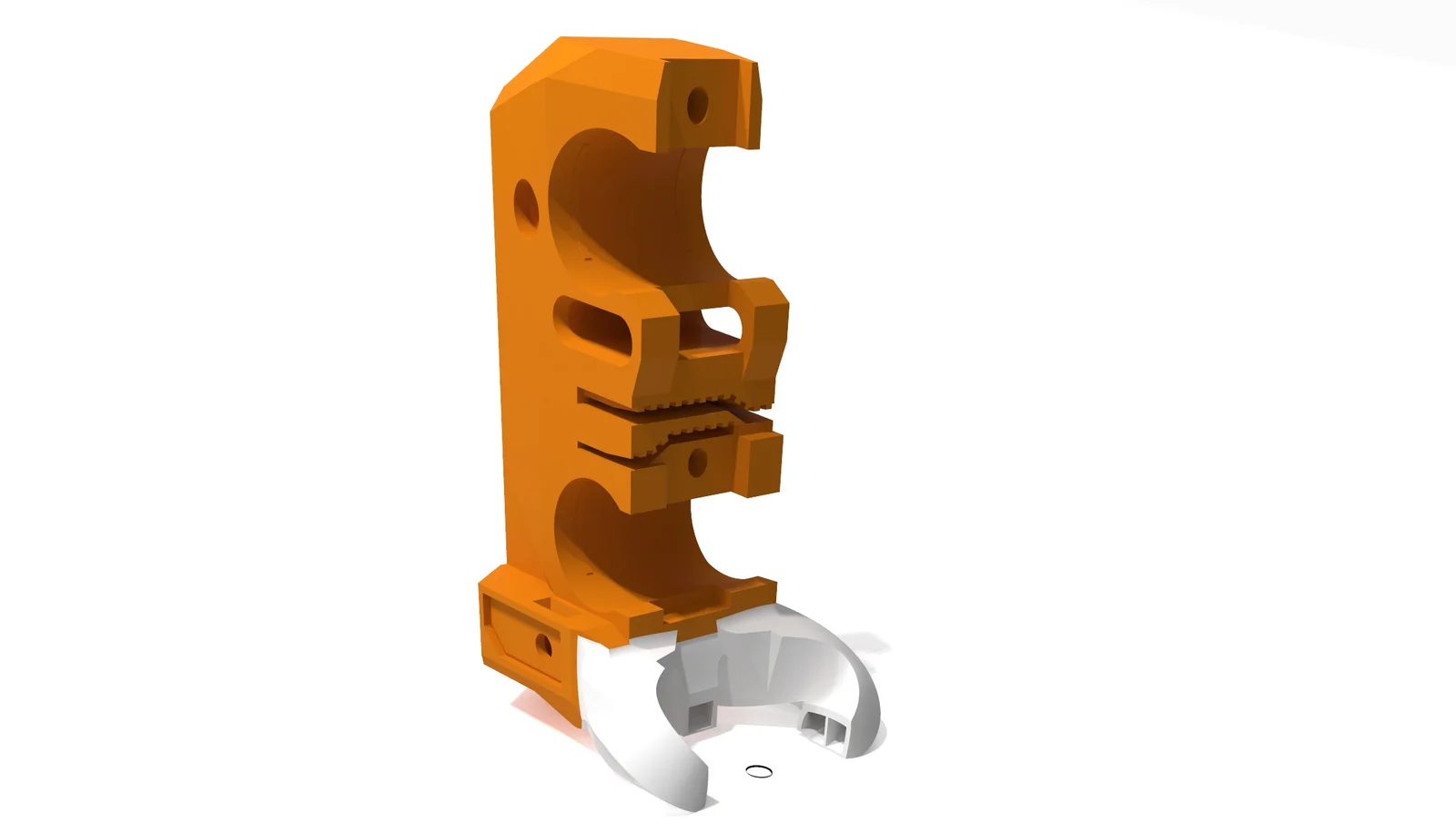
Ống dẫn gió Prusa Mini+ CFD-optimized Fan Duct v2 1

12 images

Máy In 3D

Ống dẫn gió Prusa Mini+ CFD-optimized Fan Duct v2

Remix of Fan-Duct tối ưu hóa CFD cho Prusa Mini+ By sonderjul

By sonderjul

Downloads
1,106
Likes
250
Views
5,021
Remixes
2

Files 2 2.5 MB

  • mini-x-carriage_fanduct_v2_2_1773193951.stlSTL · 1.1 MB
  • mini-x-carriage_fanduct_v2_2_1773193952.stpSTP · 1.4 MB

Make a variant with AI

Build another version of this model.

Open Studio

Remix versions 2

See all 2 remixes

Description

01.02.2023

  • improved airflow path for normal version
     

24.01.2023

  • Pinda probe was contacting fan duct→ bigger indentation in fan duct
  • optimized airflow

23.01.2023

  • added new model for better flow with low placed printingnozzles and silicon sock

01.2023

  • removed material to avoid collision with z-carriage
  • already first successfull makes → see comment section

Testing is still required regarding:

  • collision with heatbed screws
  • collision with heatbed cover
  • silicon sock fit and airflow (does silicon sock block airflow)
  • bridging test
  • printability of the model (air splitters, overhangs, duct openings)

Testing is welcome! I will try to include any feedback.

Version 2.0 Improvements

  • Improved alignment of side fan ducts for more accurate nozzle targeting
  • Further reduction in air resistance through the fan duct (→faster exit speed, same volumetric flow as Prusas original design)
  • No more collisions with heatbed cover or centering screws at the back of the heatbed
  • More precise CFD analysis and optimized outlet alignment
  • Additional room made for silicon sock (cannot guarantee results as no silicon sock available for testing)
  • Surface imperfections from previous model retouched (but also some new “impferfections” added to make sure everything fits^^)

Version 1.0:

Upgraded Prusa Mini Fan Duct

  • Two additional nozzles to cool the component from three sides
  • Optimized for minimal air resistance while maintaining the same volumetric flow as the original nozzle (similar load for the fan)
  • No additional support structures or modifications to other components needed (PINDA, Heatbedcover)
  • Nozzle designed to avoid overlap with other parts (Siliconsock, Heatbedcover, Heatbed screws, Pinda holder)
  • Material with higher glass transition temperature recommended to prevent melting of fan duct ends

(ideal) Printing Parameters

  • Layerheight: ≤0.2mm
  • Linewidth: 0.45mm
  • minimum feature size (cura): 0.07 mm → for optimal air splitter bridging
  • Material: PETG, ASA, ABS, other higher temperature materials
  • There are important bridges (air splitting), ideally use Arachne for ideal wedge form of the splitters and slower bridging speed.
  • Do not print with more then 20% infill (else too stiff and too high pressure on linear bearings)

Written using ChatGPT^^

Read more Show less

Print spec

Formats
stlstp
Model files
2
Total size
2.5 MB
Largest file
1.4 MB

0 comments

See all