




New
SolderMate - Fully 3D Printed Desk Soldering Companion
 ByleonicLikes0Downloads1.4K
Build another version of this model.
Description
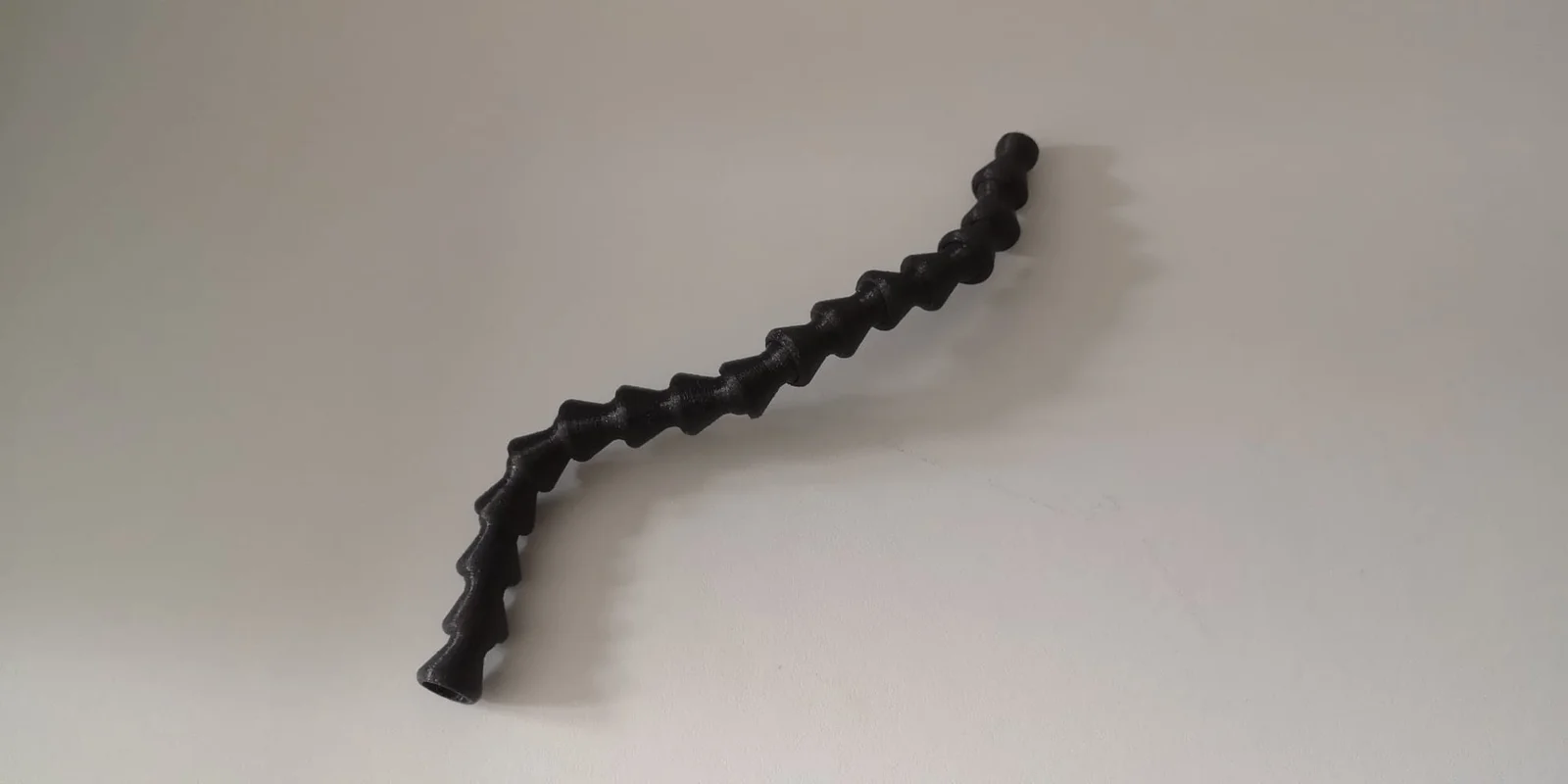
Loc-line hoses are industrial flexible hoses used in manufacturing machine to provide the coolant accurately on the part and the tool during operations.
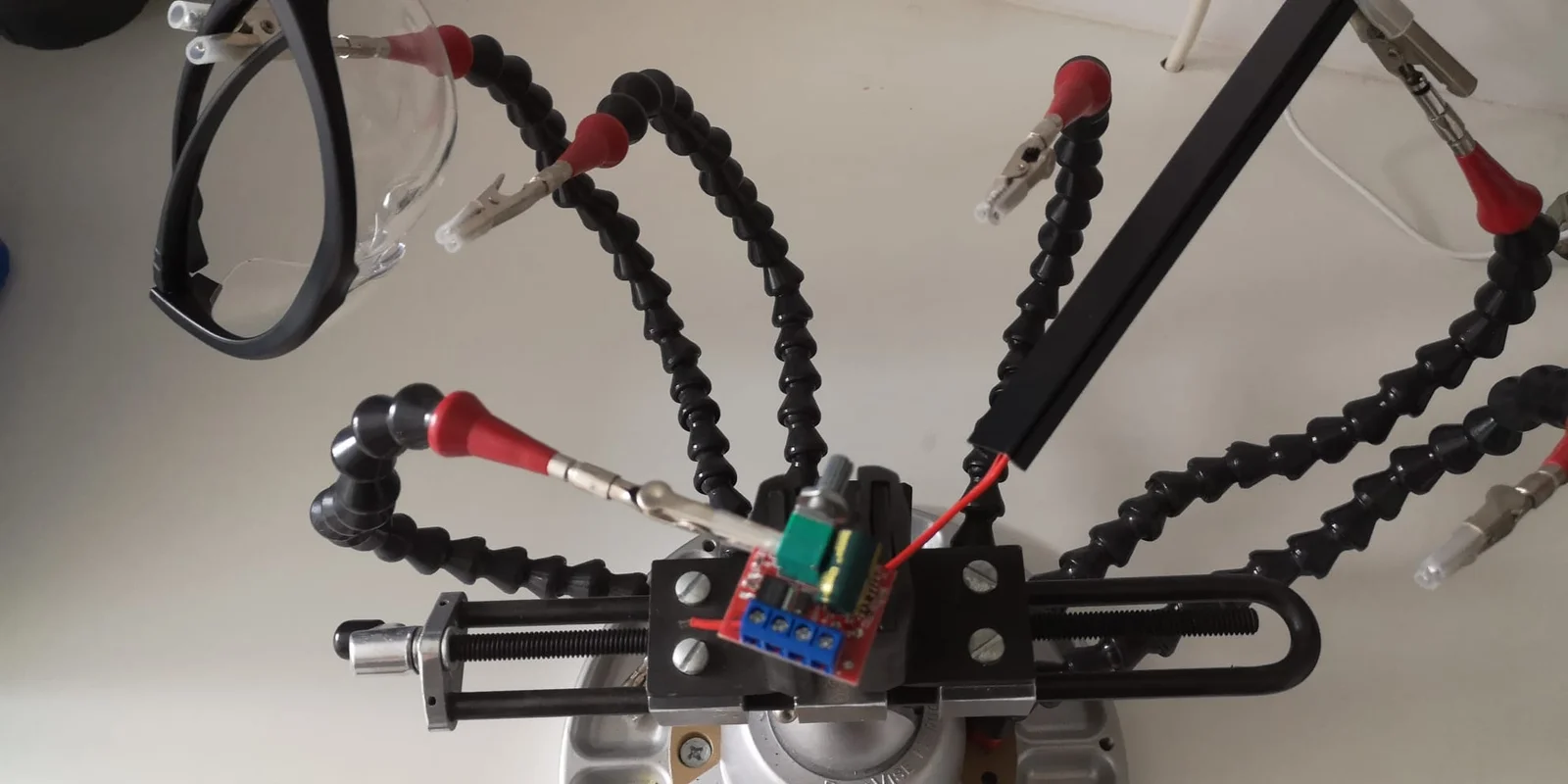
But those kind of hoses can also be used as very useful helping hands to hold parts, tools or whatever you want on your personal workshop as well as on industrial assembly benches.
I used it quite often during soldering operations to hold the components, a light and my safety glasses for instance. You can even pass cables inside the elements.
“OEM” modular hoses are quite expensive but cheaper solutions can be found on the market. However, it is not always convenient because you want a more customised solution (colors and length in my case), or simply because the shipping time and cost are high (also my case).
All in all, it is even more cheap and convenient to print our own elements than searching compatibles elements and buying them here and there.
That's why I began to iterate on simple elements to finally design those ones.
In the future, I will try to elaborate a important collection of compatible elements to print.
Version
Description
Date
A.1
Initial Release
12/08/2021
A.2
Add Banana ClipHead (in test)
28/01/2024
Assembly
Holding Strength
To get more or less strength/smoothness, permanent lubricant are used to be applied.
In our case, it won't work as well. Therefore, I have provided different “versions” of the elements related to their holding strength.
(I will try to add more accurate data/measures on this point)
Have a nice print !
Last note! I've spent quite a lot of time designing, iterating and prototyping on all my models. Therefore, if you enjoy them, please don't forget to like+download and then rate them, so that I can earn so prusaments to continue ;)
ByleonicLikes0Downloads1.4K

 ByfifindrLikes500Downloads4K

 ByVC_DesignLikes679Downloads3.6K

 ByDan Schwartz SchwartzLikes744Downloads3.4K

 Bythorin-oakenshieldLikes0Downloads530

 Bychubbs8697_2027893Likes585Downloads1.7K

 Byquibeck_3353173Likes965Downloads1.9K

 ByWilko_SLOLikes935Downloads2K

 ByRungeKuttaLikes229Downloads1.2K

 ByJeremyVillalo_760366Likes68Downloads769

 ByZED4EverLikes313Downloads5.2K

 ByGi_TLikes801Downloads1.3K