

Tiêu đề Nắp đầu nối IDC tham số cho đầu cắm Eurorack bọc 10

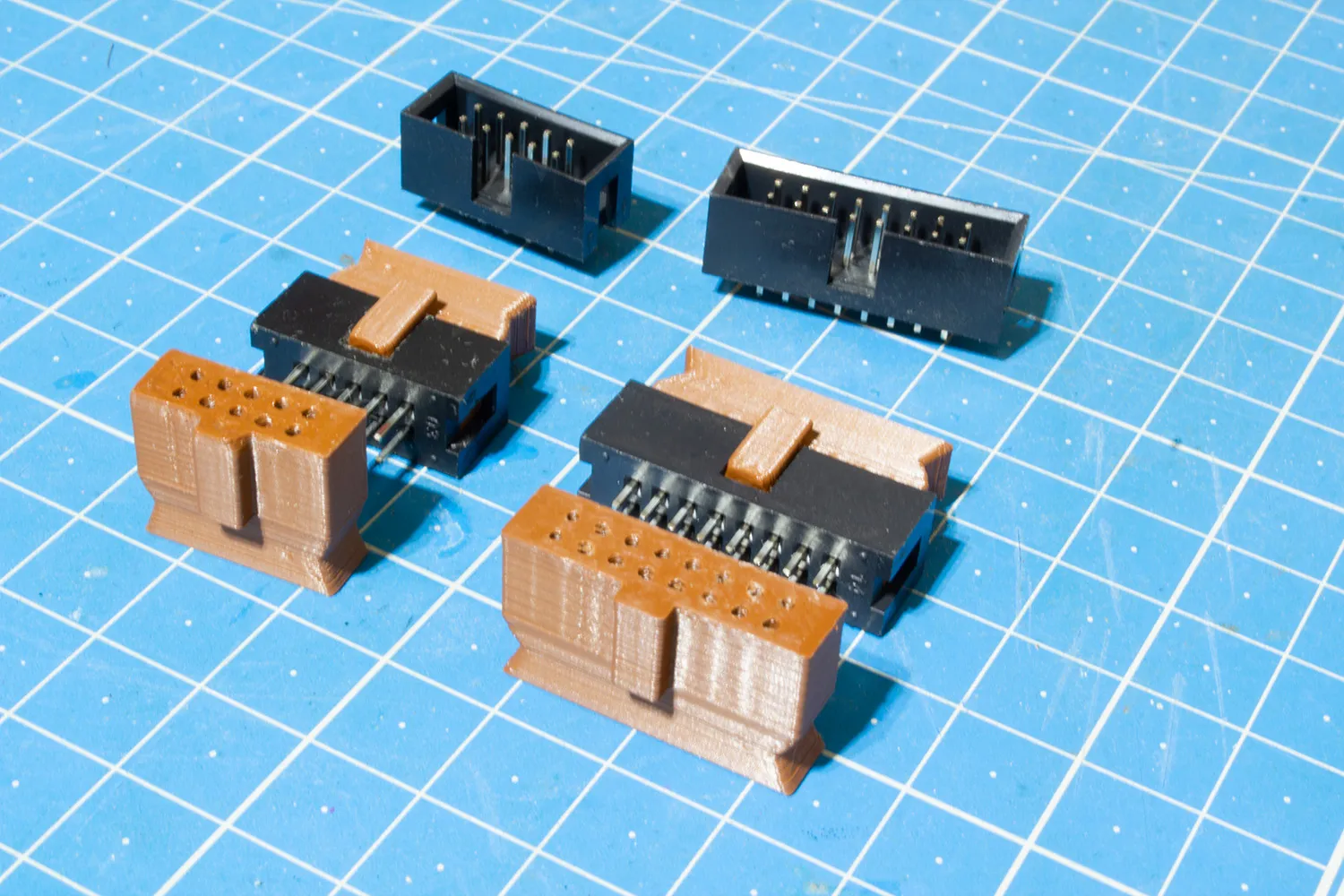
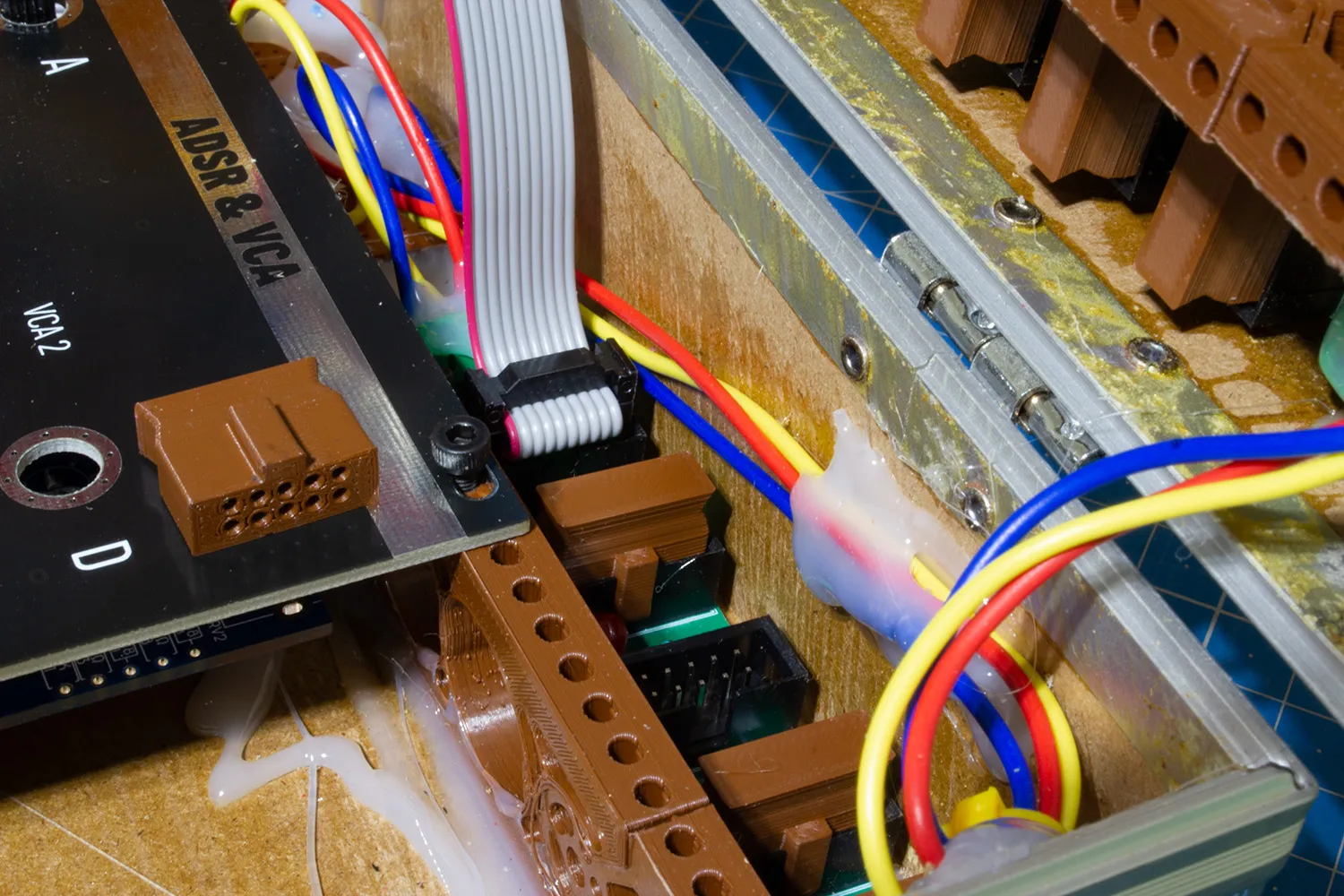
Cắm cho các đầu nối IDC không sử dụng để ngăn chặn các ngắn mạch tình cờ trên đường ray công suất tổng hợp mô-đun.
Mô tả
Eurorack synths use busboards with IDC power headers to distribute power across a system. If there's any risk a patchcable could come into contact with them and short pins, those little caps might grant you a sense of relief during your more agitated patching sessions. Normally you'd solve the problem with blank plates instead, but punk-ass DIY builds don't do normal.
Print without supports in the default orientation. The size might be a bit tight for a good grip, especially if your z-offset is poorly tuned: after printing, it might be a good idea to blast the bottom of the print with a heat gun for a few seconds then immediately fasten it to a connector. It will ensure the holes are a perfect fit. Just make a test print before you do a large batch.
I tested only the 10-pin and 16-pin versions, the sizes used for synths. Using OpenSCAD, you can change the size of the holes, and make any other variant such as 12-pin or 69420-pin (the datasheets say the dimensions will work out).
Low-budget materials such as PLA or PETG are not conductive to any meaningful extent. However, some filaments add a bit of metal or graphite to their mix to achieve a metal finish, decreasing their resistance. If in doubt, just verify your material is a good insulator with a multimeter in ohmmeter mode.
I waive all liability if my print causes your €3000000000 synth to explode.
Giấy phép
Tác phẩm này được cấp phép theo
Creative Commons Attribution-NonCommercial-ShareAlike 4.0 InternationalAttribution-NonCommercial-ShareAlike


