

Tấm bia của Nakhtmontu, nhà tiên tri của Amun

Khám phá Tấm bia Nakhtmontu, một hiện vật Ai Cập cổ đại từ triều đại thứ 25, ghi lại cuộc đời và những lời tiên tri của Nakhtmontu, một nhân vật tôn giáo quan trọng. Tấm bia cung cấp cái nhìn sâu sắc về chính trị, tín ngưỡng Ai Cập và mối quan hệ phức tạp giữa tôn giáo và chính trị.
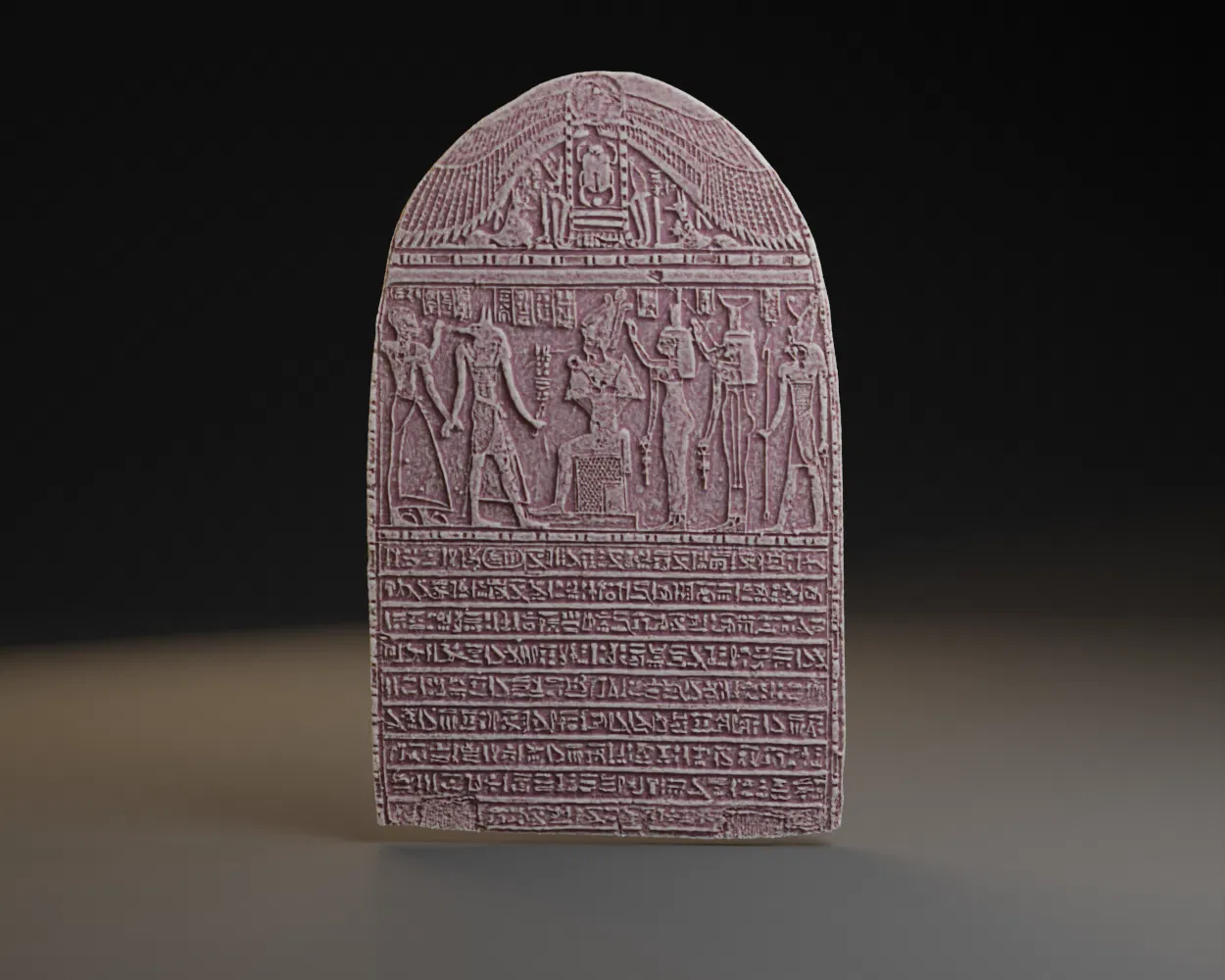
Mô tả
Stela of Nakhtmontu, prophet of Amun
The Stela of Nakhtmontu, also known as the Prophecy Stele or the Stele of Dreams, is an ancient Egyptian artifact dating back to the 25th Dynasty (c. 712-653 BCE). It was discovered in 1904 by British archaeologist Flinders Petrie at Tanis and is now housed in the British Museum. The stela, which stands about 8 feet tall, features a series of hieroglyphic inscriptions that detail the life and prophecies of Nakhtmontu, who was an important religious figure during this period as he served as a high priest and a prophet of Amun, the supreme god in ancient Egyptian religion.
The stela is particularly significant because it provides insight into the political situation and religious beliefs of Egypt at that time. It also offers valuable information about Nakhtmontu's life, his role in society, and how he interacted with other prominent figures during this period. Additionally, the Stela of Nakhtmontu sheds light on the complex relationship between ancient Egyptian religion and politics, as well as the influence of foreign powers such as the Assyrians on Egypt's internal affairs.
The Stela of Nakhtmontu contains several prophecies related to his life, role as a high priest and prophet of Amun, and the political situation during the 25th Dynasty. Some key prophecies covered in the stela include:
-
Prediction of Nakhtmontu's rise to power: The Stela mentions that he would become an influential figure in Egyptian society, serving as a high priest and a prophet of Amun. This prediction came true when he was appointed as the High Priest of Amun at Thebes during the reign of King Taharqa (c. 690-664 BCE).
-
Foretelling of foreign invasions: The stela also contains prophecies about external threats to Egypt, such as the Assyrian invasion led by King Esarhaddon in 671 BCE and subsequent occupation of Egyptian territories. These events are mentioned as part of a broader theme of divine intervention in human affairs.
-
Prediction of Nakhtmontu's death: The stela also contains prophecies about the end of his life, including the circumstances surrounding his death. It is believed that he died while still in office, possibly due to natural causes or assassination by rival factions within Egypt.
-
Prophecy related to the fall of the 25th Dynasty: The stela also contains prophecies about the eventual decline and fall of the 25th Dynasty (c. 712-653 BCE), which was marked by political instability, foreign invasions, and internal strife.
Giấy phép

File mô hình


Chưa có bản in nào được khoe. Hãy là người đầu tiên!


Chưa có bình luận nào. Hãy là người đầu tiên!